
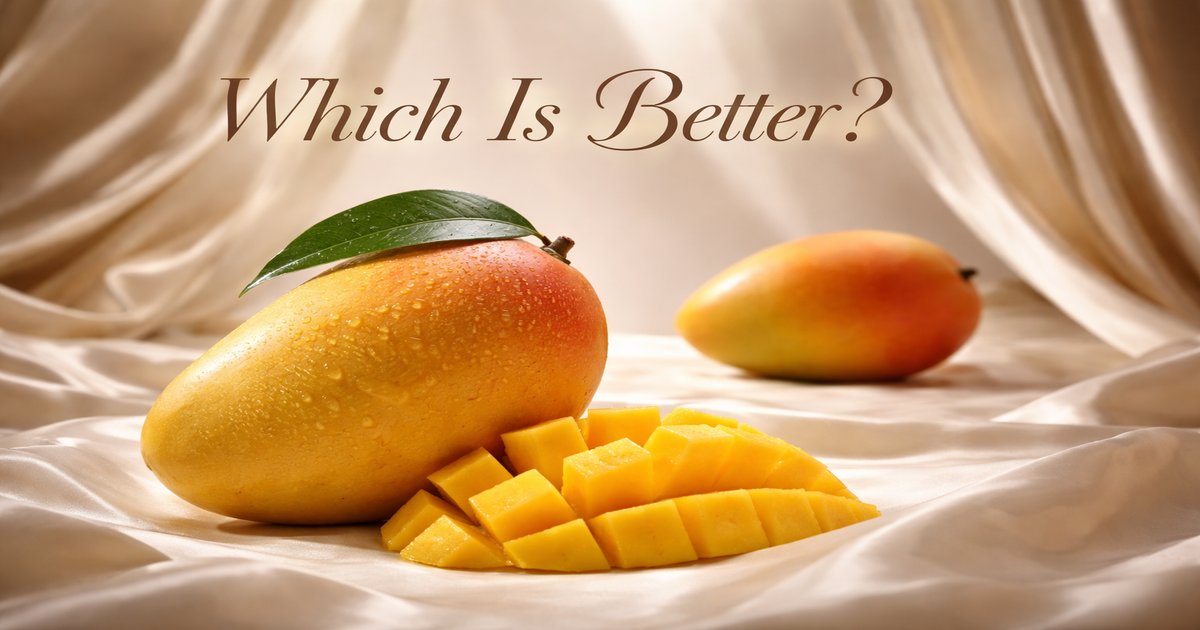
You’ve probably stood in the produce aisle, staring at a stack of vibrant mangos, wondering if the honey mango in your left hand is really any different from the classic mango in your right. Let’s break it down, so next time you’re not paralyzed by choice and can pick a winner based on your needs.
| Specification | Honey Mango | Mango |
|---|---|---|
| Flavor Profile | Sweet, Creamy | Tart, Sweet |
| Texture | Velvety | Fibrous |
| Availability | Seasonal (Spring-Summer) | Year-round |
| Size | Small to Medium | Medium to Large |
| Skin Thickness | Thin | Thick |
| Seed Size | Small | Medium |
| Peeling Ease | ✓ | ✗ |
✅ honey mango Pros
- Delightfully sweet and creamy flavor that kids and adults love.
- Thin skin makes it easier to peel and enjoy straight away.
- Velvety texture is perfect for smoothies and desserts.
❌ honey mango Cons
- Short seasonal availability limits when you can enjoy them.
- Smaller size means you’ll need more for recipes or larger servings.
- Higher price point during peak season compared to regular mangos.
✅ mango Pros
- Available year-round, making it a reliable choice for any recipe.
- Variety of flavors from tart to sweet fits a broader range of palates.
- Generally larger size means more fruit per mango.
❌ mango Cons
- Fibrous texture can be a turn-off for those seeking smoothness.
- Thicker skin makes peeling a bit more labor-intensive.
- Inconsistency in ripeness can affect flavor and texture.
Flavor and Texture: The Heart of the Fruit
Honey mangos hit the jackpot when it comes to flavor and texture. Their sweet, creamy profile is universally appealing, making them a hit in smoothies or as a refreshing snack. The velvety texture is a stark contrast to the traditional mango, which can be fibrous and more challenging to blend smoothly. If you’re into making desserts or drinks where texture is crucial, honey mangos have the edge. However, if you’re all about a more complex flavor with a bit of tartness, the classic mango provides a satisfying punch.
Availability and Versatility: When and How You Can Use Them
The traditional mango wins in the availability department. If you’re planning a dish in the dead of winter, you’ll find mangos readily available, unlike the seasonal honey mango that pops up in spring and summer. This makes the regular mango versatile for year-round cooking. However, honey mangos shine in warm-weather dishes, adding a seasonal flair to your summer salads and desserts. If you’re a seasonal eater, honey mangos may feel like a special treat worth waiting for.
Ease of Use: Peeling and Preparing
Honey mangos are a dream to peel. Their thin skin practically begs to be stripped away, and their small seed means more fruit with less hassle. This ease of preparation makes them a no-brainer for quick snacks or when you’re rushing to get a dish together. Regular mangos, with their thicker skin and larger seed, require a bit more patience and skill, which can be a deterrent if you’re not confident with a knife. But if you’re used to it, the extra fruit per mango is a good trade-off.
While honey mangos are often hailed for their superior flavor, their seasonal nature means you might not always find them when you want them. Regular mangos, despite their occasional fibrousness, offer a reliable and affordable option year-round. Don’t underestimate the impact of ripeness; both types can be disappointing if not properly ripened.
Our Final Verdict: Which One Should You Buy?
If you’re a flavor chaser who doesn’t mind waiting for seasonal goodies, go for the honey mango. It’s perfect for those who love a creamy texture and don’t mind a higher price for a premium experience. For the practical-minded who need a reliable fruit option year-round, stick with the classic mango. It’s versatile, budget-friendly, and great for those who like a bit of tartness mixed in with their sweet.
Do honey mangos ripen after purchase?
Yes, they can ripen at home if left at room temperature. If they’re still quite firm, give them a few days to soften up for the best flavor.
How can I tell when a mango is ripe?
For both honey and regular mangos, a ripe fruit will give slightly to the touch and have a fragrant aroma. Avoid any with too many blemishes or overly soft spots.
Are honey mangos worth the extra cost?
If you value sweetness and texture, absolutely. Their unique flavor profile is often worth the splurge, especially for special occasions or dishes.