
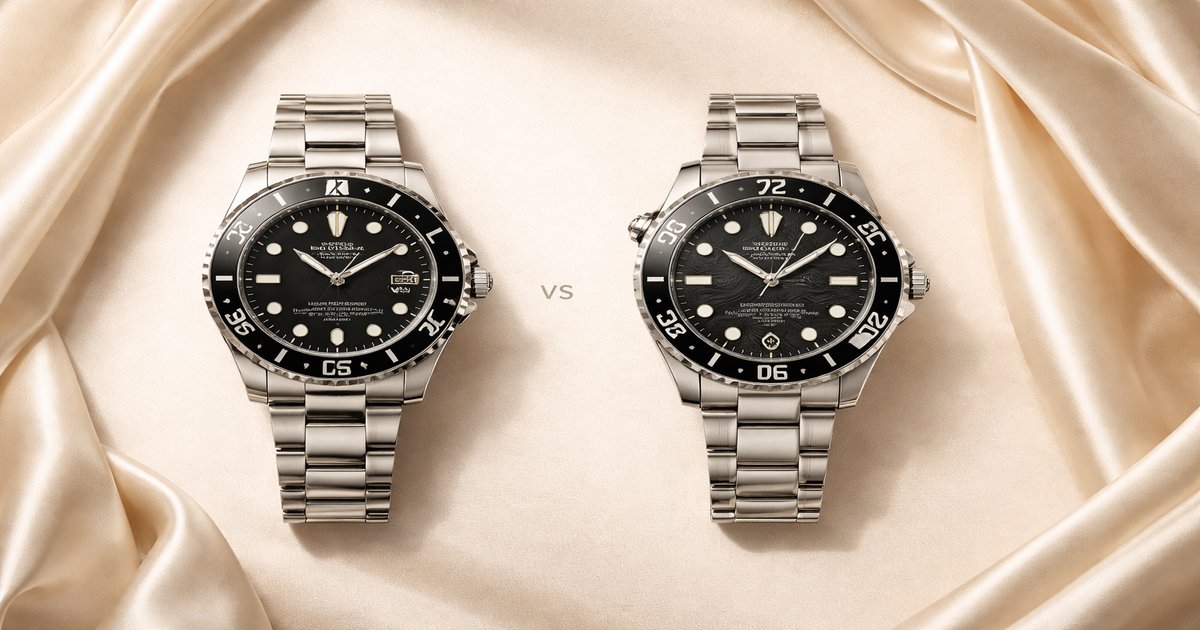
You’re in the market for a luxury watch, something that says you’ve made it. You want something timeless, a piece that exudes class. It’s down to Rolex and Omega, two giants in the horology world. But how do you choose the right one for your wrist?
| Feature | Rolex | Omega |
|---|---|---|
| Brand Prestige | High | High |
| Movement Type | Automatic | Automatic |
| Water Resistance | 100m – 300m | 150m – 600m |
| Price Range | $5,000 – $50,000+ | $3,000 – $40,000+ |
| Warranty | 5 years | 5 years |
| Antimagnetic | ✗ | ✓ |
| Design Variety | Moderate | High |
✅ Rolex Pros
- Unmatched brand recognition and prestige.
- Excellent resale value.
- Iconic designs that are timeless.
❌ Rolex Cons
- Higher price point, especially for limited editions.
- Less variety in design options.
- Limited antimagnetic capabilities.
✅ Omega Pros
- Extensive range of designs and models.
- Superior antimagnetic properties.
- Better value for money.
❌ Omega Cons
- Slightly lower brand prestige.
- Resale value isn’t as robust as Rolex.
- Some models can be bulky.
Build Quality
Rolex is synonymous with durability and precision. These watches can take a beating and keep on ticking, thanks to their robust Oystersteel and meticulous craftsmanship. Omega, however, isn’t far behind. With their Co-Axial movements and advanced materials like Liquidmetal, Omega watches often feel just as solid. If you’re planning on giving your watch some tough love, both brands hold their own, but Rolex takes a slight edge for its reputation of indestructibility.
Performance and Features
Omega steals the show in terms of innovation. Their Master Chronometer certification ensures superior accuracy and resistance to magnetic fields, making these watches a tech lover’s dream. Rolex keeps it classic, focusing on tried-and-true performance rather than pushing the envelope. If you’re after cutting-edge tech, Omega might just be your pick. If you’re a stickler for reliability without the bells and whistles, Rolex is for you.
Value for Money
Rolex watches are often seen as an investment, not just a purchase. The brand’s reputation ensures that your watch may appreciate over time. Omega offers great value, too, especially with their diverse range of models and price points. If your watch needs to hold its value or even grow, Rolex is the safer bet. For those who want a bang for their buck and are less concerned with resale, Omega delivers.
Both brands come with some hidden quirks. Rolex can sometimes be a victim of its own success; the high demand means you might struggle to find certain models in stock. Omega, while innovative, occasionally suffers from inconsistent customer service experiences. Neither is a dealbreaker, but be prepared for minor inconveniences.
Our Final Verdict: Which One Should You Buy?
If you’re the type who thrives on brand prestige and sees watches as investment pieces, Rolex is your go-to. For the modern watch enthusiast who values innovation and diverse options, Omega will cater to your tastes. Rolex is for the traditionalist, Omega for the progressive. Choose accordingly.
Is a Rolex worth the investment?
Yes, Rolex watches often retain or even increase in value over time. They’re considered a solid investment in the luxury watch market.
Are Omega watches durable enough for daily wear?
Absolutely. Omega’s robust construction and materials ensure their watches can handle daily wear with ease.
Do both brands offer good warranties?
Yes, both Rolex and Omega offer a 5-year warranty, providing peace of mind for your purchase.