
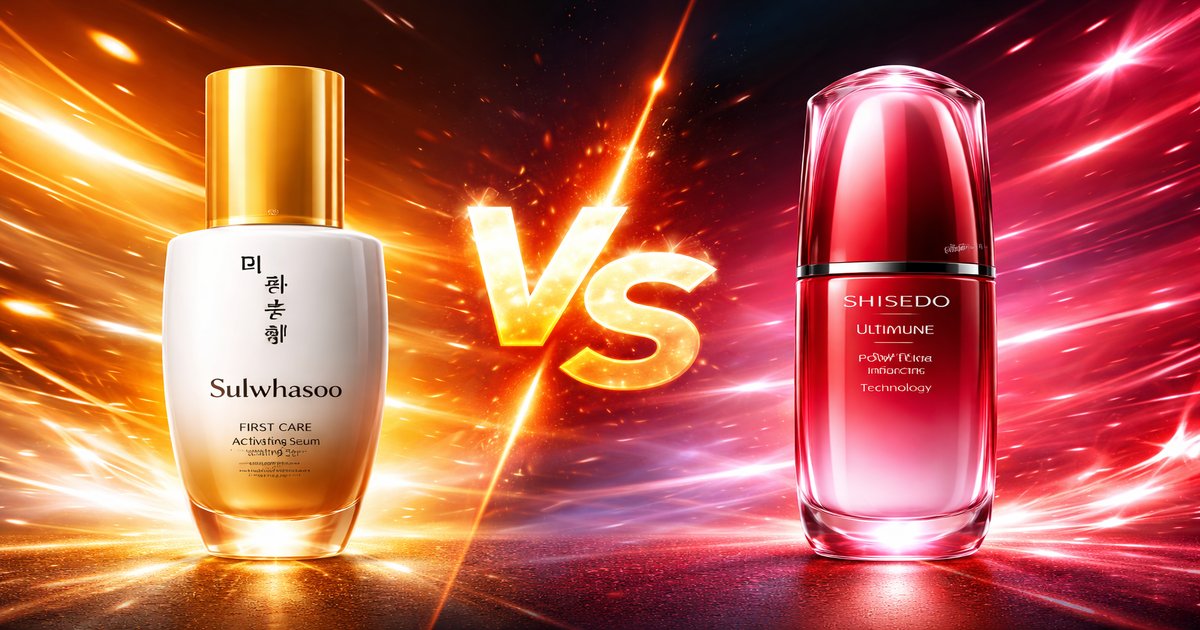
You’re staring at the beauty aisle, torn between Sulwhasoo and Shiseido, two giants in the skincare world. Both promise radiant skin and timeless beauty, but which one really delivers the goods? Let’s cut through the marketing fluff and see which brand suits your skin’s needs.
| Feature | Sulwhasoo | Shiseido |
|---|---|---|
| Price Range | $60 – $200 | $50 – $150 |
| Main Ingredient | Ginseng | Hyaluronic Acid |
| Target Skin Type | Dry/Sensitive | Normal/Combination |
| Fragrance-Free Options | ✗ | ✓ |
| Anti-Aging Focus | ✓ | ✓ |
| SPF Inclusion | ✗ | ✓ |
✅ sulwhasoo Pros
- Highly effective for dry and sensitive skin.
- Rich, luxurious texture that feels pampering.
- Strong anti-aging benefits with ginseng.
❌ sulwhasoo Cons
- Pricey for the quantity you get.
- Fragrance might be too strong for some users.
✅ shiseido Pros
- Offers SPF protection in many products.
- Great for normal to combination skin types.
- More affordable price range.
❌ shiseido Cons
- Less hydrating for extremely dry skin.
- Some products can feel a bit lightweight.
Performance and Skin Compatibility
Sulwhasoo’s rich formulations are like a warm hug for dry and sensitive skin. If your skin craves moisture, especially during harsh winters, Sulwhasoo is your go-to. On the other hand, Shiseido excels with its lightweight formulas that cater to normal and combination skin types. The inclusion of SPF in many Shiseido products adds an extra layer of protection, making it ideal for those who want a simpler routine without sacrificing sun defense.
Ingredient Efficacy
Sulwhasoo relies heavily on traditional Korean herbal medicine, with ginseng at the forefront. This ingredient is renowned for its anti-aging properties and skin rejuvenation capabilities. If you’re looking for something that feels like it’s feeding your skin nutrients, Sulwhasoo won’t disappoint. Shiseido, with its focus on hyaluronic acid, aims to maintain skin hydration and elasticity. While both ingredients are effective, your choice depends on whether you prioritize anti-aging over hydration or vice versa.
Value for Money
Sulwhasoo’s higher price tag might make you wince, but its concentrated formulas mean you need less product per use. It’s a splurge, but a worthy one if you value luxury skincare. Shiseido strikes a balance between quality and affordability, making it a practical choice for daily use. If you’re on a budget, Shiseido offers more bang for your buck without compromising on essential skincare benefits.
Many overlook that Sulwhasoo’s heavy fragrance can be off-putting if you’re sensitive to smells. Also, while Shiseido provides SPF, it’s not enough to skip your regular sunscreen, especially during peak sun hours. Both brands have their strengths, but no single product is a miracle worker.
Our Final Verdict: Which One Should You Buy?
If your skin is as thirsty as a desert and you’re willing to invest in a premium experience, Sulwhasoo will be your best friend. For those with a tighter budget or looking for a solid all-rounder with sun protection, Shiseido is the smart choice. Choose Sulwhasoo if you want luxury and intense hydration; go for Shiseido if you want a versatile, budget-friendly regimen.
Does Sulwhasoo work for oily skin?
Sulwhasoo is generally better for dry and sensitive skin due to its rich texture. Oily skin types might find it too heavy.
Is Shiseido suitable for sensitive skin?
While Shiseido has options for sensitive skin, always patch test due to potential fragrance ingredients.
How long does a bottle of Sulwhasoo last?
With regular use, a bottle can last 2-3 months, depending on how much product you apply daily.