
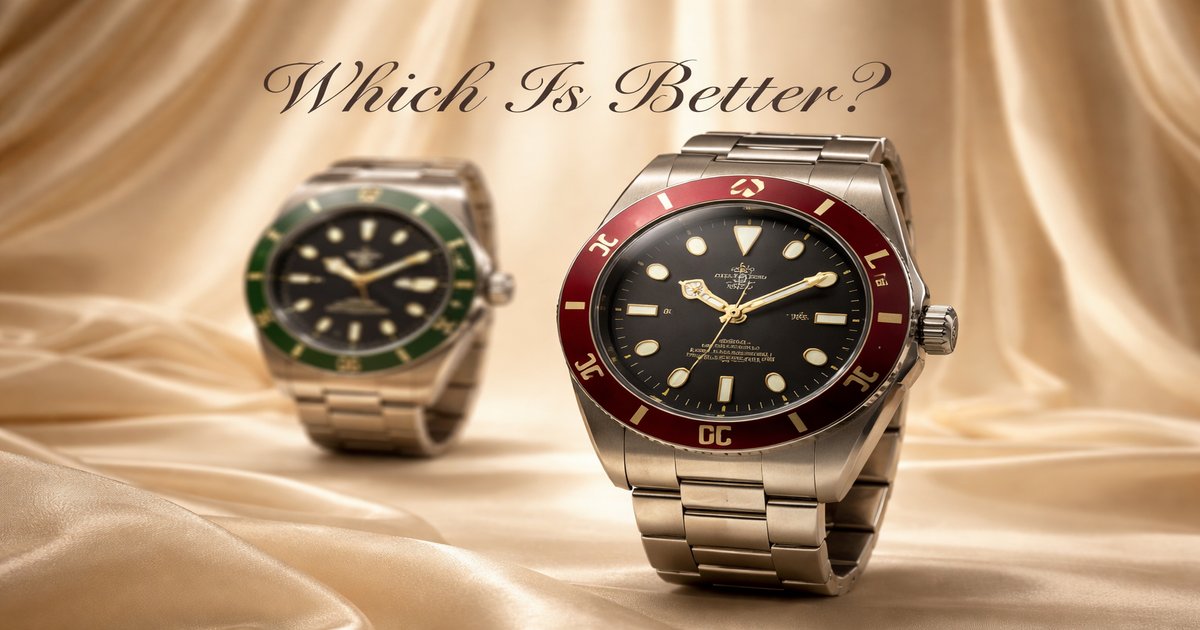
You’re at a crossroads, trying to decide between a Tudor and a Rolex. Both brands carry a rich history and a reputation for quality, but which one aligns with your lifestyle? Let’s break it down so you can confidently choose your next timepiece.
| Feature | Tudor | Rolex |
|---|---|---|
| Price Range | $2,000 – $5,000 | $6,000 – $50,000+ |
| Water Resistance | 200m – 500m | 100m – 3,900m |
| In-house Movement | ✓ | ✓ |
| Material Options | Steel, Bronze | Steel, Gold, Platinum |
| Brand Prestige | ✗ (Relative) | ✓ |
| Resale Value | Moderate | High |
✅ tudor Pros
- More affordable entry into luxury watches.
- Robust water resistance features.
- Solid in-house movements.
❌ tudor Cons
- Less brand prestige compared to Rolex.
- Limited material options.
✅ rolex Pros
- Unmatched brand reputation and prestige.
- Extensive material and model options.
- High resale value.
❌ rolex Cons
- Significantly higher price point.
- Potentially longer waiting lists for popular models.
Performance: The Heart of the Watch
Rolex and Tudor both offer impressive in-house movements, but the distinction lies in their execution. Rolex movements are often COSC-certified, meaning they’ve met rigorous precision standards. If you’re timing your swim laps or need a watch that keeps time to the second, Rolex has the upper hand. Tudor, while not always COSC-certified, still delivers reliable performance with its in-house calibers, like the MT5602. It’s ideal for everyday wear without the pressure of maintaining perfect time accuracy.
Build Quality: The Feel and Look
Rolex is synonymous with luxury, using high-end materials like platinum and gold, adding a hefty feel and a polished finish. These watches scream sophistication and command attention. Tudor offers a more understated luxury, with durable steel and bronze options that are perfect for someone who values durability and subtlety over flashiness. If you’re out hiking or diving, Tudor’s rugged build won’t make you too nervous about a few bumps along the way.
Value: Getting What You Pay For
Tudor provides excellent value for money, offering many of the features of a Rolex at a fraction of the cost. For someone looking to enter the luxury watch world without breaking the bank, Tudor is a smart choice. Rolex, though, is an investment. Its high initial cost is often offset by its incredible resale value. If you’re looking for a timepiece that holds value or can be passed down as a family heirloom, Rolex is an investment worth considering.
Both brands have their limitations that aren’t often highlighted. Tudor’s resale value doesn’t match Rolex’s, so don’t expect to flip it for a profit. Rolex, despite its prestige, can be a hassle to acquire, with waitlists that test your patience. Also, be prepared for the maintenance costs that come with owning such a high-end piece.
Our Final Verdict: Which One Should You Buy?
If you’re just stepping into the world of luxury watches and want a reliable, stylish, and relatively affordable option, Tudor is your best bet. It’s perfect for the practical, style-conscious individual who values functionality. On the other hand, if you’re looking for a status symbol that holds its value, offers a wide range of material choices, and can be a lifelong investment, Rolex is the one for you. It’s for the connoisseur who appreciates prestige and doesn’t mind waiting or paying for it.
Is a Tudor watch a good investment?
While Tudor watches offer great value for their price, they don’t appreciate like Rolex watches. They’re better seen as a cost-effective entry into luxury watches rather than an investment.
Can I swim with a Rolex or Tudor watch?
Yes, both brands offer models with excellent water resistance. However, Tudor often provides better water resistance at a lower price point, making it a practical choice for frequent swimmers.
How often do I need to service a Rolex or Tudor watch?
Both brands recommend servicing every 5 to 10 years, depending on usage. Regular maintenance helps keep these precision instruments running smoothly.