
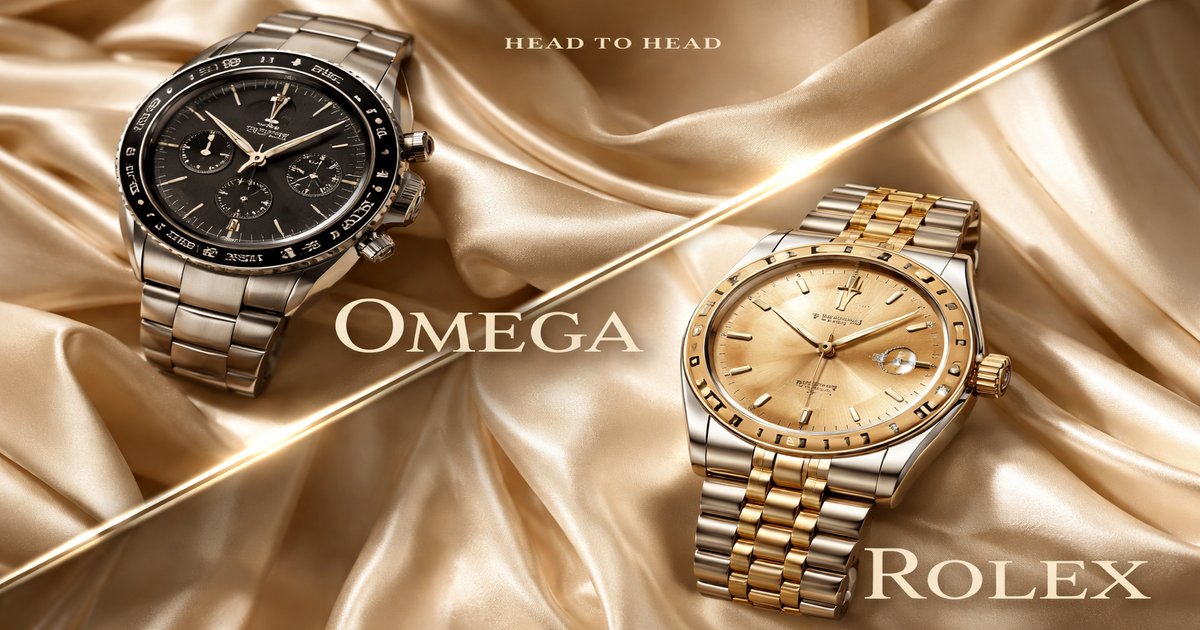
You’ve saved up, and now you’re caught in the age-old dilemma: Omega or Rolex? Both brands are synonymous with luxury and precision, but choosing between them can feel like choosing your favorite child—impossible! Let’s break it down so you can make an informed decision.
| Feature | Omega | Rolex |
|---|---|---|
| Price Range | $3,000 – $10,000 | $5,000 – $40,000 |
| Water Resistance | Up to 600m | Up to 300m |
| Materials | Stainless Steel, Titanium | Stainless Steel, Gold, Platinum |
| In-house Movements | ✓ | ✓ |
| Brand Recognition | High | Very High |
| Warranty | 5 years | 5 years |
✅ omega Pros
- More affordable entry-level options.
- Exceptional water resistance, ideal for divers.
- Innovative technology with Co-Axial escapement.
❌ omega Cons
- Less brand prestige compared to Rolex.
- Resale value generally lower than Rolex.
✅ rolex Pros
- Unmatched brand prestige and recognition.
- Higher resale value, often appreciating over time.
- Wide range of luxury materials and designs.
❌ rolex Cons
- Steeper entry price point.
- Water resistance not as robust as Omega’s top models.
Performance and Technology
Omega’s Co-Axial escapement technology is a game-changer, reducing friction and improving longevity. This makes Omega a favorite among those who value cutting-edge technology. Rolex, while traditional in its approach, offers timepieces that are built like tanks. The robustness and precision of Rolex’s movements are legendary. If you’re all about the latest tech and diving deep into the ocean, Omega might pull you in. But if you’re looking for a timeless piece with an unerring reputation for reliability, Rolex stands tall.
Build Quality and Materials
Rolex takes the crown with its use of premium materials like gold and platinum, offering a luxurious feel that Omega struggles to match in its standard models. That said, Omega’s use of titanium and stainless steel ensures a durable and lightweight experience, perfect for those who lead an active lifestyle. Rolex’s bezels and bracelets exude luxury, making them a statement piece in any boardroom. If you’re after the crème de la crème in luxury materials, Rolex won’t disappoint.
Value and Investment
Rolex watches often appreciate in value, making them not just a purchase but an investment. It’s like buying a piece of gold that you can wear. Omega, while not as strong in the resale department, offers more bang for your buck upfront. If you’re looking for something to pass down through generations, Rolex is your go-to. But if you want a watch with all the bells and whistles without breaking the bank, Omega is a solid choice.
Both brands are excellent, but Omega’s innovation is sometimes overshadowed by Rolex’s marketing prowess. Many don’t realize that Omega’s service costs can add up over time, potentially offsetting the initial savings. Rolex, while prestigious, often comes with a waitlist just to make a purchase.
Our Final Verdict: Which One Should You Buy?
If you’re a tech-savvy individual who loves diving and doesn’t want to spend a fortune, go for Omega. The brand offers fantastic technology and functionality at a reasonable price. However, if you’re someone who values prestige, brand recognition, and a potential investment piece, Rolex is your watch. The classic designs and luxurious materials will ensure you stand out in any crowd.
Is Omega or Rolex better for diving?
Omega typically offers better water resistance, with models like the Seamaster reaching up to 600m, making it a better choice for professional divers.
Which brand holds its value better?
Rolex generally holds and even appreciates in value over time, making it a better investment if resale is a concern.
Are Omega watches as durable as Rolex?
Both brands offer durable watches, but Rolex has a slight edge in terms of overall build quality and prestige, often using more luxurious materials.