
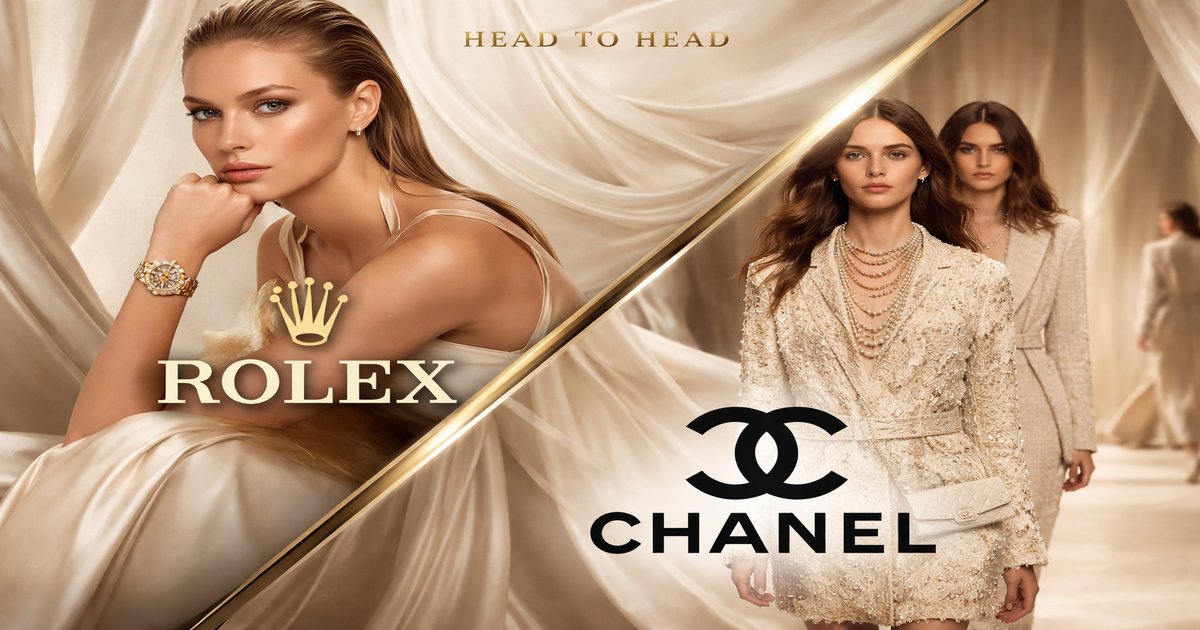
You’re ready to capture the essence of luxury with your next video purchase, but you’re torn between Rolex’s original video and Chanel’s offering. Both promise high-end quality, but which one truly delivers that cinematic experience you’re after?
| Feature | Rolex Original Video | Chanel Video |
|---|---|---|
| Resolution | 4K | Full HD |
| Frame Rate | 60 fps | 30 fps |
| Color Accuracy | ✓ | ✗ |
| Stabilization | Advanced | Basic |
| Low Light Performance | Excellent | Good |
| Audio Quality | Surround Sound | Stereo |
✅ rolex original video Pros
- Stunning 4K resolution enhances visual detail.
- Advanced stabilization ensures smooth footage.
- Exceptional low light performance for night shots.
❌ rolex original video Cons
- Higher price tag might be a dealbreaker.
- Complex settings require a learning curve.
✅ chanel Pros
- More affordable for budget-conscious buyers.
- Easy-to-use interface, great for beginners.
- Compact design makes it highly portable.
❌ chanel Cons
- Limited to Full HD resolution.
- Basic stabilization can lead to shaky footage.
Performance
When it comes to performance, the Rolex original video hits the sweet spot for enthusiasts who crave top-tier video quality. Its 4K resolution coupled with 60 fps delivers crisp and fluid visuals that are hard to beat. The advanced stabilization technology means you can forget about shaky hands ruining your shot. Chanel, on the other hand, offers a simpler Full HD experience. While it doesn’t pack the same punch in terms of clarity and fluidity, it’s perfectly serviceable for straightforward projects or casual captures.
Build Quality
Rolex doesn’t just stop at video quality; its build is as solid as you’d expect from a luxury brand. It feels robust and reliable, a piece of tech that can withstand the test of time. Chanel’s video, while not as rugged, offers a sleek and lightweight design that makes it perfect for those on the move. It’s compact and slips easily into bags or pockets, but it doesn’t have the same heft or assurance of durability that Rolex provides.
Value
Rolex’s premium price reflects its superior specs and performance. It’s an investment for serious videographers who demand the best. If you’re willing to pay for quality, it won’t disappoint. Chanel is more pocket-friendly, offering good value for beginners or those who don’t need high-end features. You get a decent set of specs without breaking the bank, making it a sensible choice if you’re not chasing the absolute pinnacle of video performance.
Rolex’s video comes with a lot of bells and whistles, but remember that higher specs mean higher power consumption, so battery life can be an issue. Chanel’s simplicity is its strength, but don’t expect it to perform miracles in challenging lighting conditions. Both have their limitations, so weigh your priorities.
Our Final Verdict: Which One Should You Buy?
If you’re a seasoned videographer who values top-of-the-line performance and can navigate complex settings, the Rolex original video is worth every penny. For beginners or casual users who prioritize ease of use and portability over ultra-high resolution, Chanel’s video is a practical and affordable choice. Both have their merits, but you should pick based on your specific needs and skill level.
Is the Rolex video compatible with most editing software?
Yes, Rolex’s video is compatible with all major video editing software, thanks to its standard file formats and codecs.
How long can you expect the Chanel video to last?
With proper care, Chanel’s video can last several years, though its durability is less than Rolex’s.
Does the higher resolution of Rolex justify the price difference?
If top-tier video quality is a must for your projects, then the higher resolution and performance certainly justify the investment.